Preventing damp and mould in your home


At LiveWest, we're committed to keeping our customers safe. Damp and mould can affect our health, so it's important that we all play our part in keeping the risk low.
Watch our short animation or keep reading for practical tips on preventing damp and mould in your home. It includes simple actions you can take every day to reduce condensation, improve airflow and help keep your home healthy.
Damp and mould can appear in any home, but the good news is there are simple steps you can take to help keep it under control.
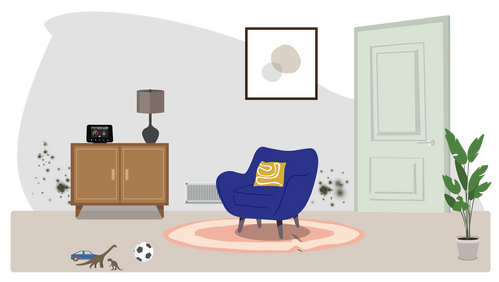
It often starts with condensation. This happens when warm, moist air inside your home meets a cold surface, such as a window or wall. You're most likely to notice it in kitchens, bathrooms and rooms where clothes are dried indoors. If it's not managed, the moisture can turn into mould, which often appears as small black spots on walls, ceilings or behind furniture where air doesn't move freely.
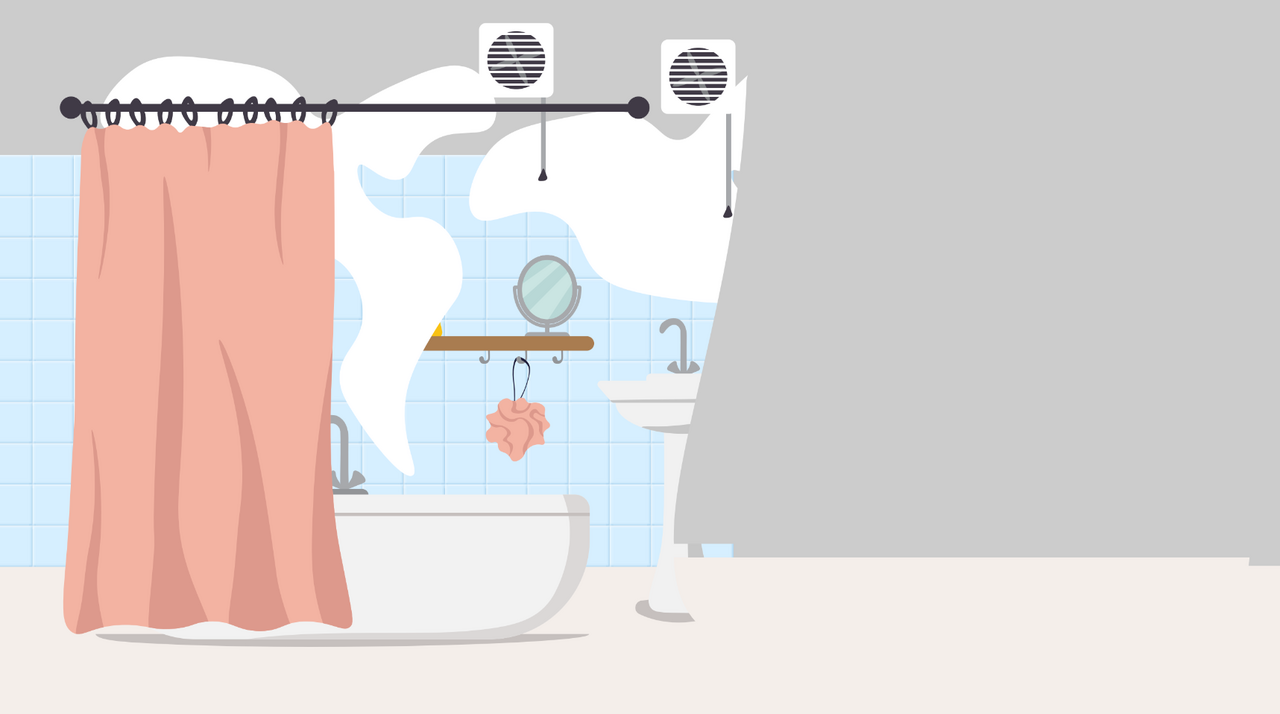
The key to reducing condensation is good ventilation and steady warmth. Opening a window or using an extractor fan when cooking or showering can help damp air escape before it settles. Dehumidifiers can also help remove excess moisture from the air, with both electric and low-cost options available.
A few small changes can make a big difference:
- Keep furniture a few inches away from walls so air can circulate.
- Don't block air vents and make sure they stay open.
- Cover pans while cooking and dry clothes outside whenever possible.
- Wipe away condensation from windows each morning.
Keeping your home at a steady temperature of around 18 to 19°C can also help reduce condensation. It's often more efficient than turning your heating on and off, as your system won't need to work as hard to maintain a comfortable temperature.
If you notice signs of damp or mould, such as a musty smell, black spots or patches of moisture, don't ignore them.
Awaab's Law Phase 2
From 30 November 2026, new requirements under Awaab's Law Phase 2 will come into force in England. These rules will strengthen the response times social landlords must follow when customers report serious hazards in their homes. The new phase expands the existing requirements beyond damp and mould to cover a wider range of housing hazards.
The new timescales include:
- Within 24 hours – investigating and making safe any emergency hazard that poses an immediate risk.
- Within 10 working days – investigating potential significant non-emergency hazards.
- Within 3 working days – providing customers with a written summary of the investigation findings.
- Within 5 working days – beginning any necessary safety works for significant hazards.
- Within 12 weeks – starting and completing more complex repair or preventative work where needed.
These changes are designed to make sure customers receive a faster response when they report issues that could affect their health, safety or wellbeing.
For more helpful tips, visit www.livewest.co.uk/damp-and-mould, or if you're worried about damp or mould in your home, please contact our Customer Services team on 0300 123 8080 for advice and support.