

Our journey to fairer pay: 2025 Gender Pay Gap report
Our journey to fairer pay: 2025 Gender Pay Gap reporting

Paul Turner, Chief People Officer
We are proud of the progress we have made this year in reducing our gender pay gap and continuing to build a workplace where everyone can thrive. Over the last 6 years, our median gender pay gap has reduced significantly by 10% to 5.19%, lower than the UK average of 6.9%.
Where have we been?
What we have achieved so far
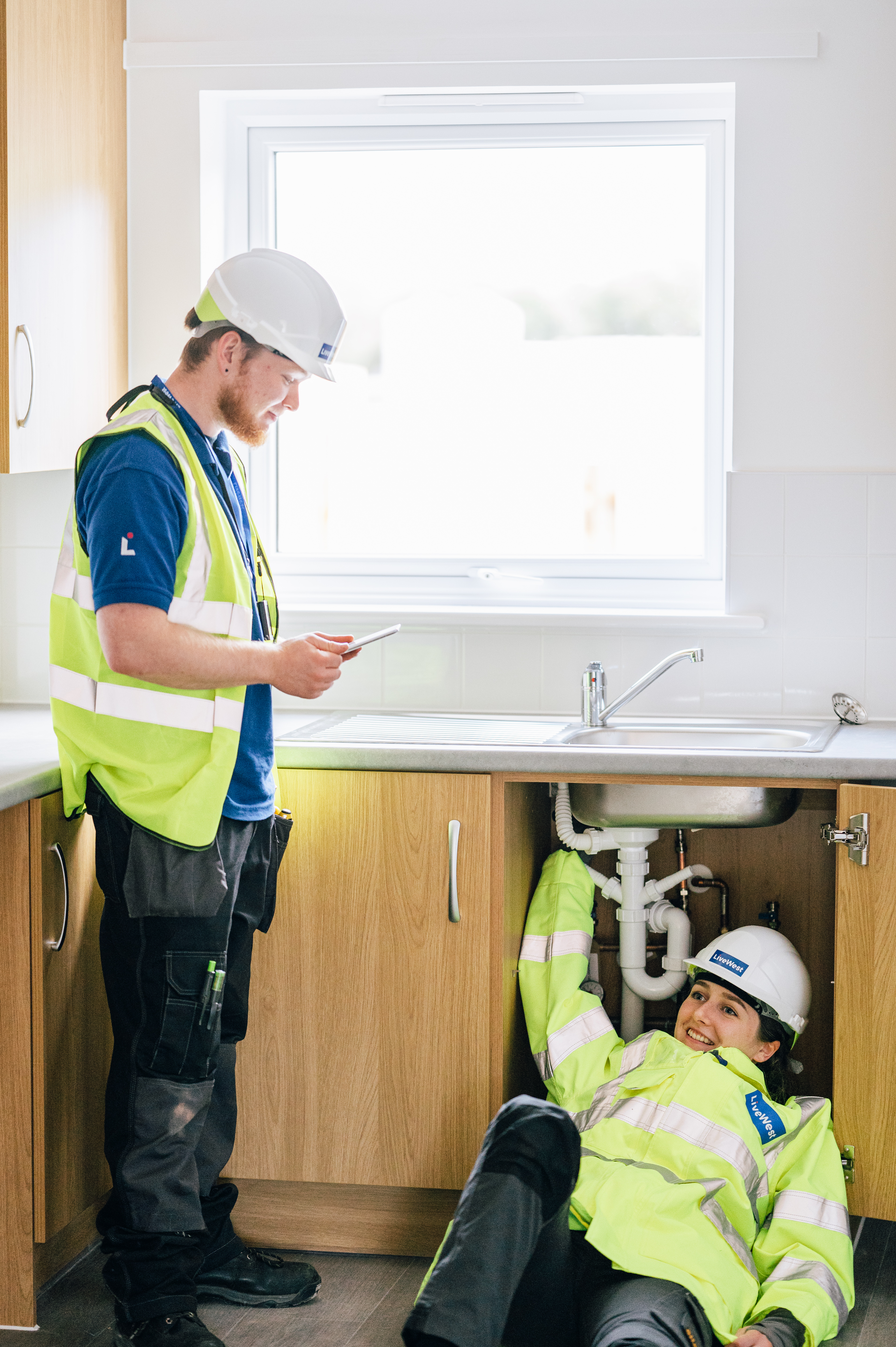
A key part of our success in reducing our gender pay gap has come from our focused effort to recruit and develop women within our trades teams, an area traditionally underrepresented. We have not only increased representation by supporting women to change their careers through our apprenticeship programme, but also welcomed some of the strongest women leaders in the UK trade sector.
Alongside this, we continue to champion flexible working, ensuring colleagues can balance work and life in a way that enables them to perform at their best. Our commitment remains to hire the best person for the job, while creating a flexible working environment where talented women can enter, grow, and lead in roles across the organisation.
We know there is always more to do, and listening to colleagues will remain central to how we shape our culture and future initiatives. On this page, you’ll find more detail about this year’s results, the steps we’ve taken, and our plans to continue this momentum.
Now, as BFL, we are excited about what we will achieve together — building an even more inclusive, equitable, and high‑performing organisation for the years ahead.
Where are we going?
As we move into our first year of becoming Bromford Flagship LiveWest, these reports might look a little different. However, our commitment remains the same. We will continue to prioritise reducing our gender pay gap, and building equity within our organisation as BFL.
Encouraging a fairer future
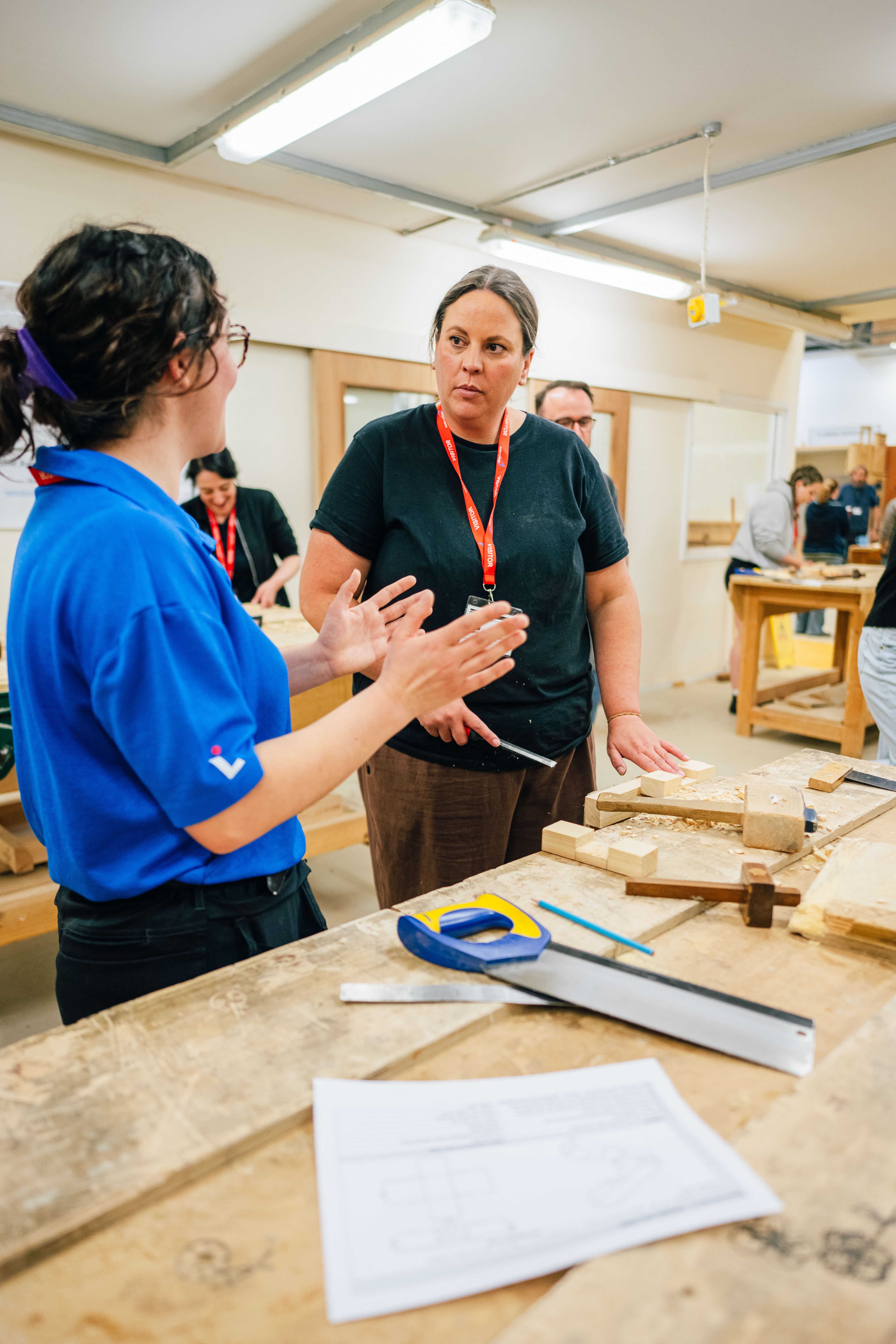
Addressing the gender pay gap means investing in the future workforce. As part of our commitment to equality and opportunity, Bernice Williams, Director of Communications and Public Affairs, has been mentoring young women through the Empowering Girls programme run by the Devon, Plymouth and Torbay Careers Hub.
The programme supports Year 9 girls - particularly those facing challenges - to build confidence, raise aspirations and recognise their potential. Early engagement like this helps challenge gender stereotypes, broaden career ambitions and strengthen the future talent pipeline.
Bernice said: “It’s about showing young women that they belong in the spaces they aspire to. When education and business come together, we help turn ambition into opportunity.”
Supporting initiatives that empower girls is an important part of our long-term approach to creating a more inclusive workforce and tackling the gender pay gap.
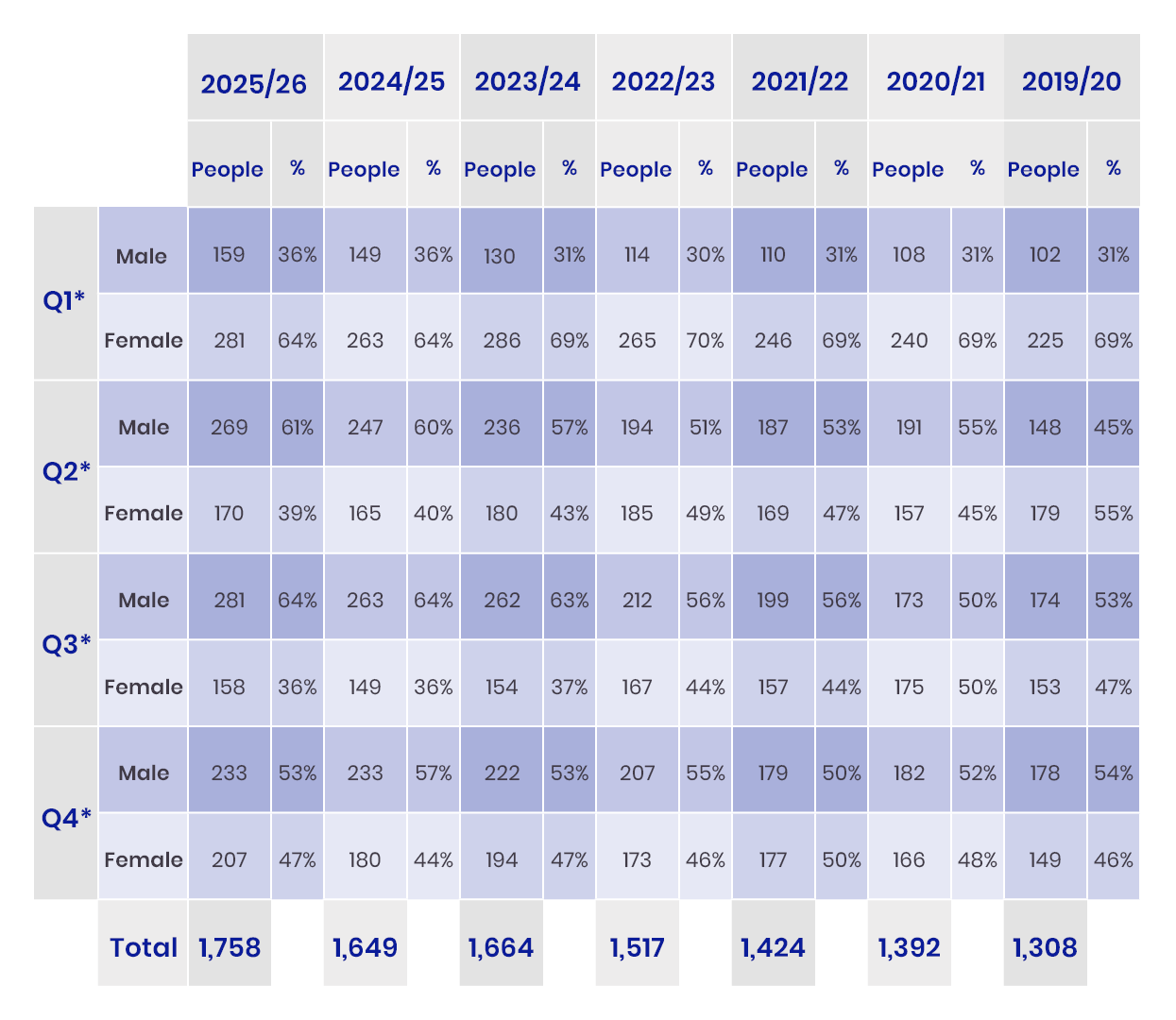
The distribution of men and women in our workforce by quartile
Overall, the distribution of women and men we employ varies across the types and seniority of roles. When we divide our employee team into four quarters (or ‘quartiles’) according to how much they earn, the proportion of men and women within each quartile is shown in Table 1.
As in many organisations and society as a whole, we have a higher number of women in lower paid roles, and a higher proportion of men in higher paid roles.
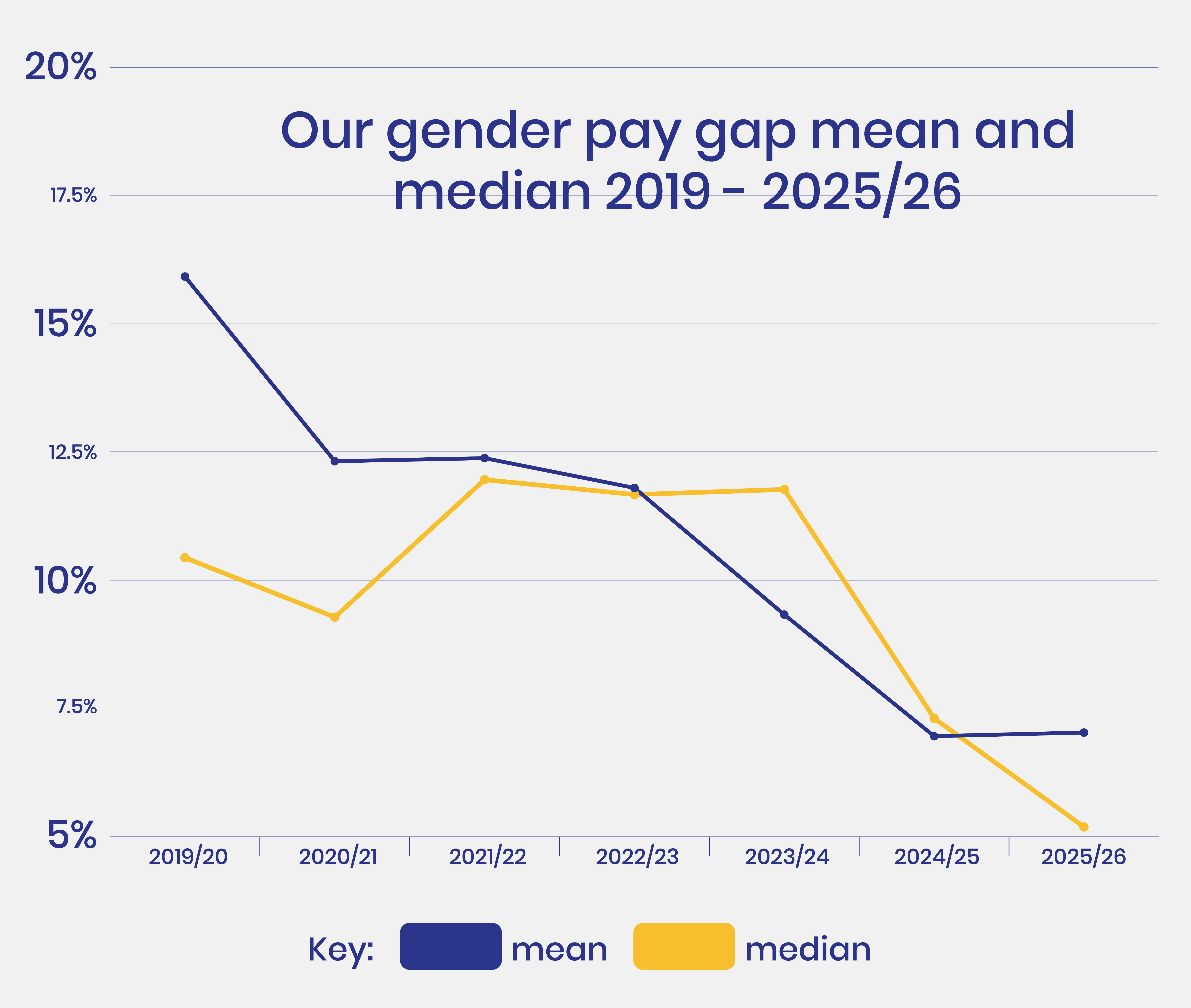
Our median gender pay gap sits at 5.19%
Over the past 6 years, our median gender pay gap has reduced significantly from 7.31% to 5.19%, which is lower than the UK average of 6.9%.
Our mean gender pay gap sits at 7.03, rising marginally (0.07%) since last year. While this marginal rise highlights that there is still work to be done, we remain focused on identifying the underlying factors and taking targeted action to ensure continued progress towards greater pay equality.
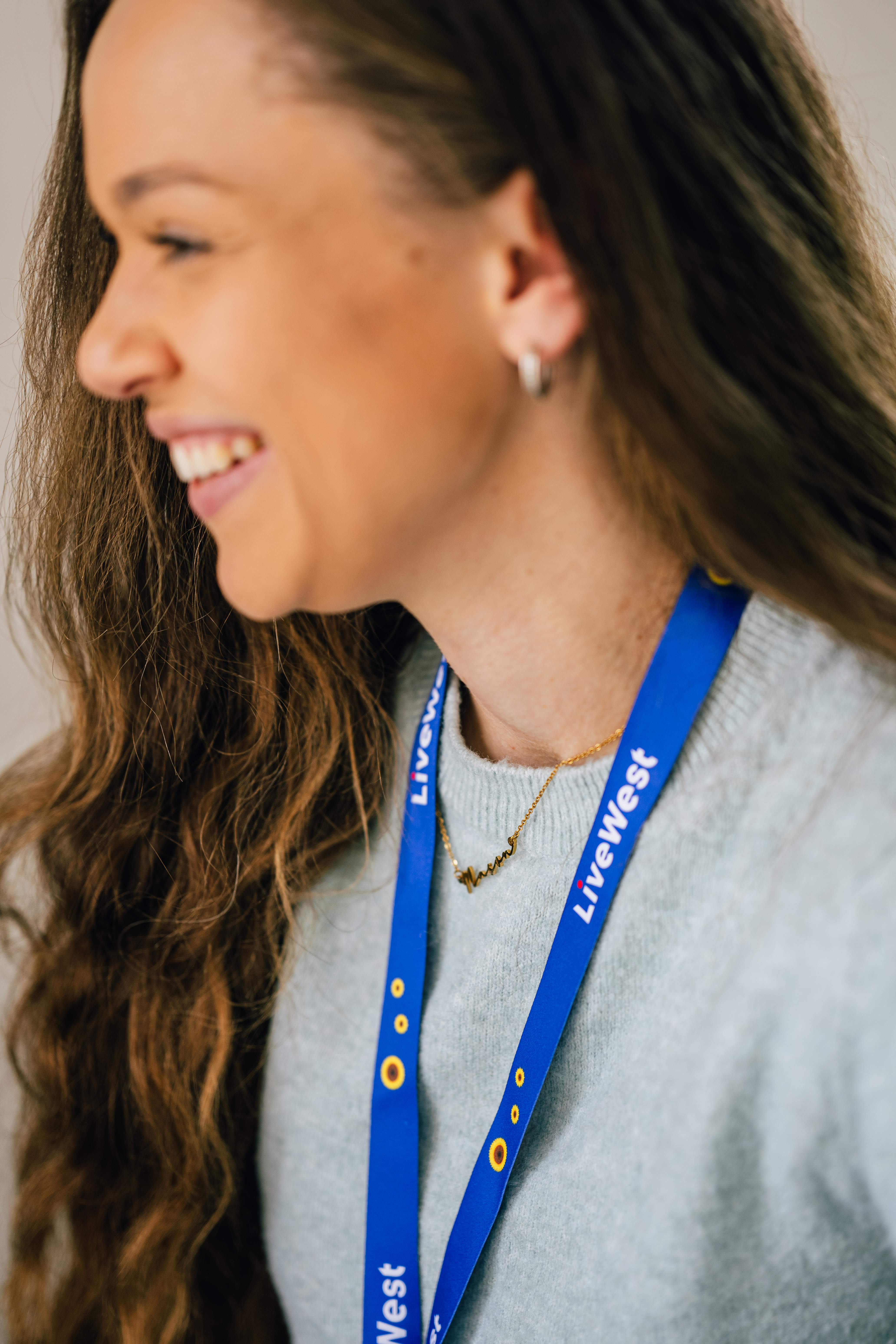
Lauren Hart reflects on her LiveWest career whilst becoming a mum
Lauren joined LiveWest in 2016 as a Coordinator and has spent the past decade building her career across several roles within our People team. After years of developing her skills and expertise, she progressed into her current role as a Reward Analyst in 2022. The following year, she became a mum.
Lauren explains: “LiveWest and my manager supported me to work a condensed full‑time pattern over four days. This flexibility has allowed me to maintain a healthy work‑life balance while continuing to learn, grow, and contribute meaningfully to the business.”
Becoming a parent is just one of the many reasons colleagues may want to work flexibly - whether they’re a mother, father, or another caregiver.
Reflecting on her journey, Lauren shares: “Becoming a mother has not felt like a barrier to my career. LiveWest has shown me that with the right support, you can continue growing in your career no matter your personal circumstances.”

Read our recent DEI report
Along with the work we have done to ensure our services work for our customers, our Diversity, Equity and Inclusion report highlights the steps we have taken to create a fair and inclusive workplace for our colleagues.