

Gas Safety Week 2026 is here, and this year's theme "Take No Chances" is a reminder that even small actions can make a big difference when it comes to keeping your home safe.
Unsafe or poorly maintained gas appliances can lead to gas leaks, fires, explosions and carbon monoxide (CO) poisoning. That's why we're supporting Gas Safety Week and encouraging everyone to take a few simple precautions to help protect what matters most.
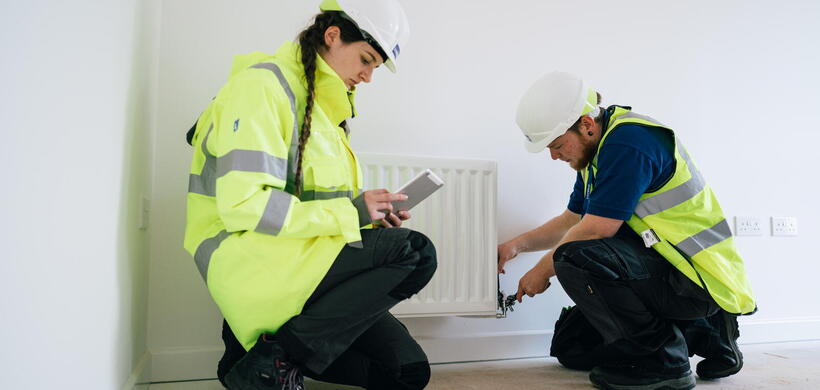
One of the most important things you can do is make sure your gas appliances are checked every year by a qualified Gas Safe registered engineer. Regular servicing helps ensure appliances are working safely and efficiently, while also reducing the risk of potentially dangerous faults developing.
Know the signs of carbon monoxide
Carbon monoxide is a poisonous gas that has no taste, colour or smell. Because it is impossible to detect without an alarm, it is often referred to as the "silent killer".
Exposure can make you seriously ill and can quickly become life-threatening.
Some of the signs that a gas appliance may not be working correctly include:
- A floppy yellow or orange flame instead of a crisp blue flame.
- Dark or sooty staining around appliances.
- Excessive condensation on windows.
- A boiler pilot light that repeatedly goes out
These could indicate that carbon monoxide is being produced.
It is also important to recognise the symptoms of carbon monoxide poisoning, which can include:
- Headaches
- Nausea
- Dizziness
- Breathlessness
- Collapse
- Loss of consciousness
If you notice these symptoms and feel better when you leave the property, it could be a sign of carbon monoxide poisoning and you should seek fresh air and medical advice immediately.
Simple steps to stay safe
As part of the "Take No Chances" campaign, Gas Safety Week is encouraging everyone to:
- Book an annual gas safety check with a qualified Gas Safe registered engineer.
- Always ask to see your engineer's Gas Safe ID card.
- Install a carbon monoxide alarm that meets recognised safety standards.
- Learn the symptoms of carbon monoxide poisoning.
- Never attempt DIY gas work.
- Report unsafe gas work to Gas Safe Register.
If you rent your home, your landlord is responsible for arranging annual gas safety checks on the gas appliances they provide, supplying a copy of the gas safety record and ensuring carbon monoxide alarms are installed where required.
Supporting vulnerable customers
Gas safety is especially important for older people, people with health conditions and others who may need additional support at home. If you care for someone who may be vulnerable, checking that their appliances are serviced regularly, ensuring they have a working carbon monoxide alarm and understanding the warning signs of unsafe gas appliances can help keep them safe.
This Gas Safety Week, we're asking everyone to take a moment to check their gas safety arrangements. By taking simple precautions today, you can help protect yourself, your family and your home.