

Long periods of hot, dry weather can put a strain on gardens, green spaces and local wildlife. If your area is experiencing a hosepipe ban or water restrictions, it’s more important than ever to use water carefully and find simple ways to help nature thrive.
Make every drop count
Using water wisely helps protect local supplies while keeping your garden healthy.
- Collect rainwater in a water butt and use it to water plants. Empty and clean your water butt regularly to help reduce the risk of Legionella. You can find more information in our Legionella article.
- Reuse household water where safe, such as water used to rinse fruit and vegetables or the cold water that runs while you wait for a shower to warm up.
- Water plants early in the morning or late in the evening to reduce evaporation.
- Give plants a thorough soak more occasionally rather than watering little and often. This encourages stronger roots.
If a hosepipe ban is in place, check your water provider’s guidance to understand what restrictions apply and what alternatives can still be used.
Help your garden stay hydrated
You can reduce the need for watering by helping the soil hold onto moisture. Adding a layer of these things can help keep the soil cool, reduce water loss and suppress weeds.
- Bark chips
- Garden compost
- Well-rotted manure
- Grass cuttings
Support local wildlife
Dry weather can be challenging for birds, insects and other wildlife.
Here are some simple ways to help:
- Leave out a shallow dish of fresh water for birds and animals.
- Add a few stones or pebbles so insects can land safely.
- Keep bird baths topped up and clean.
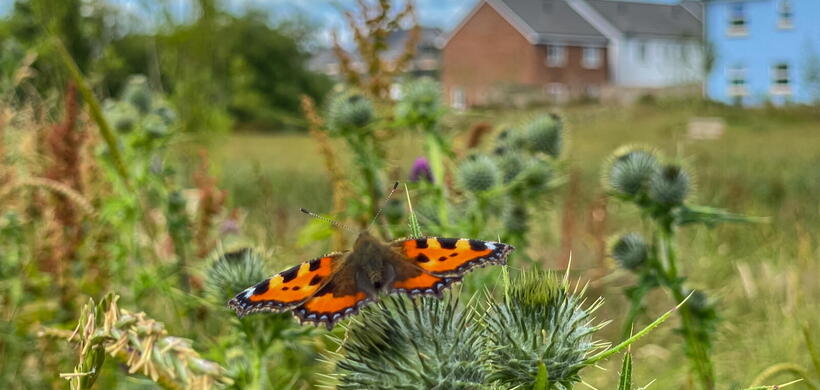
- Leave some plants to flower, providing food for pollinators.
Even a small source of water can become a vital lifeline during a heatwave.
Let nature do its thing
It can be tempting to tidy everything up, but a slightly wilder garden can be more resilient during dry weather. Consider:
- Leaving some areas of grass longer to provide shade and shelter.
- Avoiding cutting your lawn too short.
- Leaving seed heads and flowering plants for insects and birds.
Don’t worry if your lawn turns brown. Many lawns naturally go dormant during dry spells and usually recover when wetter weather returns.