


Tackling damp and mould in the colder weather


At LiveWest we are committed to keeping our customers safe. Damp and mould can cause problems for our health, so it’s important that we all play our part in keeping the risk low.
Damp and mould can appear in any home, but the good news is there are simple steps you can take to help keep it under control. You can find information and advice on causes including condensation, penetrating damp, and rising damp.
Condensation
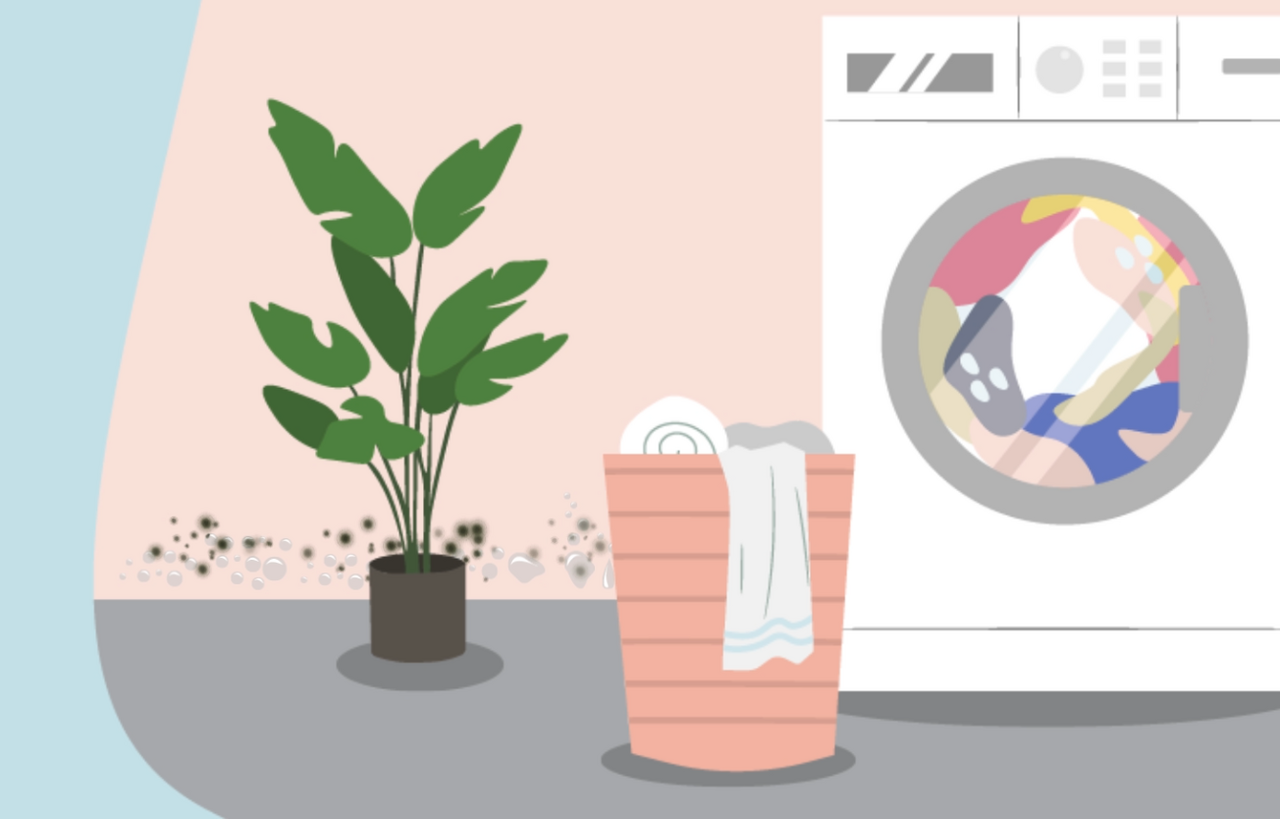
It often starts with condensation - when warm, moist air inside your home meets a cold surface, like a window or wall. You’ll probably notice it more in places like your kitchen, bathroom, or where you dry clothes. If it isn’t managed, this moisture can turn into mould, which often looks like small black spots on walls, ceilings, or behind furniture where the air doesn’t move much.
The key to reducing condensation is good airflow and steady warmth. Try opening a window or using an extractor fan when cooking or showering - it helps the damp air escape before it settles. Dehumidifiers are also handy for collecting moisture from the air, and you can find both electric and budget-friendly plastic options.
A few small changes can make a big difference:
- Keep furniture a few inches away from walls so air can move freely.
- Don’t block air vents, and make sure they stay open.
- Cover pans while cooking and dry clothes outdoors when possible.
- Wipe away condensation from windows each morning.
Keeping your home at a steady, gentle warmth (around 18–19°C) can also help. It’s often cheaper in the long run than switching your heating on and off, as your system won’t need to work as hard.
If you spot signs of damp or mould, like a musty smell, black spots, or patches of moisture, don’t ignore them.
Penetrating damp
Whilst condensation is often the cause, issues with penetrating damp can also be the problem. This can be because of damage to your home or its structure, including the roof or gutters, cracks in walls, window seals or leaks from pipes.
Rising damp
Rising damp can also be the cause, usually due to faulty or missing damp proof course. A damp proof course is a barrier to stop water entering the home, so if it’s damaged you may see tide marks appear on walls.
For more helpful tips visit our damp and mould page, or if you’re worried please contact our Customer Service team for advice and support or if you are experiencing long-term or returning damp and mould.
Awaab’s Law
Awaab’s Law came into effect on 27 October 2025, and means that we have to meet deadlines on when we do certain things when a problem like damp and mould is reported in the home of a customer. Find out more about what this means for LiveWest and our customers.
Helping us to complete any work needed in your home is really important. If no one is in to let us into your home this can lead to delays in fixing your issue as we’ll need to reschedule appointments. If your appointment time doesn’t work anymore, let us know so we can rearrange at a more convenient time. We are understanding of individual circumstances and needs, so please get in touch with us if you have questions.
Making sure we have the right contact details for you is also really important so we can get in touch. You can keep these up to date on our customer portal or by getting in touch.